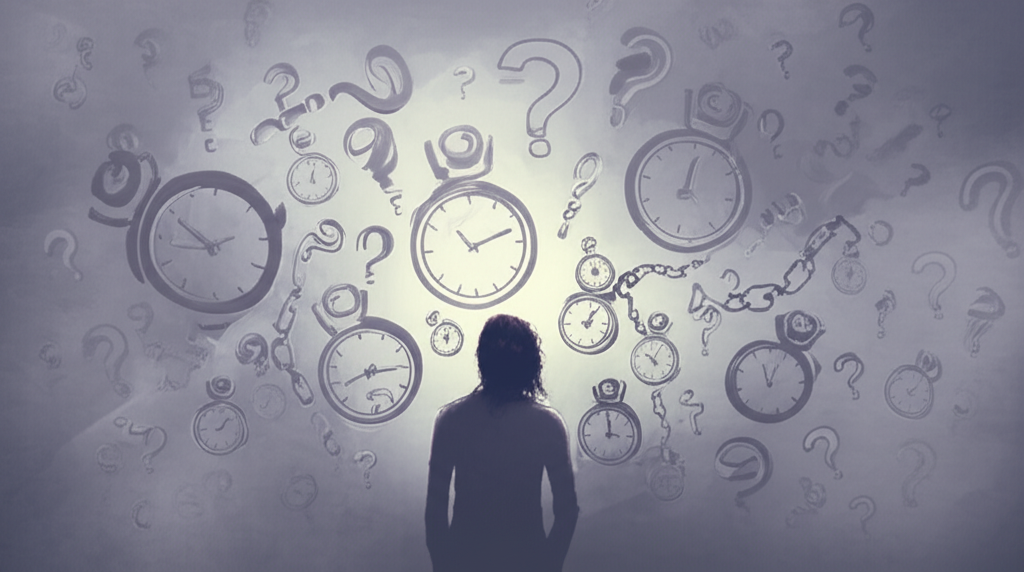
Burnout is not just a fleeting feeling of exhaustion or being overwhelmed; it’s a complex condition that arises when prolonged stress interacts with unfulfilled needs and a lack of control. Understanding burnout requires delving into both its psychological and physiological origins.
### Psychological Origins
At its core, burnout is deeply entrenched in psychological processes. Three main psychological factors contribute significantly to burnout:
1. **Chronic Stress:** Prolonged exposure to stressors without resolution leads to heightened anxiety and tension. This chronic stress manifests cognitively as feelings of being overwhelmed and emotionally drained. When individuals feel perpetually stressed, their capacity for engagement and enthusiasm wanes, paving the way for burnout.
2. **Lack of Control:** Control, or the lack thereof, is a pivotal factor in burnout. People often derive satisfaction and motivation from being able to influence their environment and outcomes. When individuals perceive that they have little to no control over important aspects of their work or personal life, it instills a sense of helplessness and frustration. This perception leads to disengagement and eventually burnout.
3. **Unmet Psychological Needs:** According to self-determination theory, humans have innate needs for competence, autonomy, and relatedness. When these needs go unmet—such as when one's efforts are repeatedly overlooked or undervalued—individuals can start to feel detached and cynical about their roles and responsibilities.
### Physiological Origins
The physiological aspects of burnout are just as compelling. The body’s stress response plays a central role here:
1. **The Stress Response:** Our bodies are designed to handle acute stress via the "fight or flight" response. However, when stress becomes chronic, our body's natural balance is disrupted. Cortisol, the primary 'stress hormone,' is perpetually elevated in these scenarios, leading to numerous health issues like hypertension, immune system suppression, and metabolic imbalances.
2. **Nervous System Overload:** Continuous stress taxes the autonomic nervous system, shifting it towards a state of imbalance. The sympathetic nervous system is continually activated, causing restlessness, increased heart rate, and other physiological symptoms that exacerbate feelings of exhaustion.
3. **Sleep Disruption:** Stress-induced sleep disturbances compound burnout. Lack of restful sleep leads to increased fatigue, reduced psychological resilience, and impaired cognitive function, all of which are conditions ripe for burnout.
### Interplay of Psychological and Physiological Factors
Burnout is the result of an intricate interplay between psychological and physiological factors. Prolonged psychological stress not only impacts one’s mental health but also starts to have tangible effects on physical health. As these stressors compound over time without resolution or relief, the risk of burnout escalates.
Furthermore, socio-cultural factors, such as workplace culture and societal expectations, play a significant role in exacerbating these conditions. High demands, combined with inadequate support and recognition, are common culprits in triggering the cycle of burnout.
### Conclusion
Understanding the roots of burnout is essential for identifying strategies to alleviate its impact. By recognizing how both psychological and physiological factors contribute to burnout, individuals and organizations can start to address these issues more effectively, paving the way towards not only avoiding burnout but achieving a more balanced and fulfilling life.